From what age is paediatric osteopathy suitable?
Paediatric osteopathy can be used from day one of life and is suitable for infants, toddlers, children and adolescents up to about 14 years. An osteopathic examination is particularly useful in the first weeks if the birth was demanding or your baby shows unusual tension or posture patterns. The techniques used are gentle at every age and adapted to the sensitive tissues of children.
How many sessions are needed?
In most cases one to three sessions are enough to achieve a noticeable change. Infants with acute functional complaints often respond as early as the first session; for more complex or long-standing issues, additional appointments may be helpful. There are typically one to three weeks between sessions so your child's body has enough time to respond.
What does a paediatric osteopathy session cost?
Paediatric osteopathy is a private-pay service. In Leipzig, a session typically costs between 70 and 110 euros depending on duration and complexity. Because we calculate prices individually and transparently, we are happy to give you the exact cost on request by phone or when scheduling your appointment.
Does statutory health insurance cover the cost?
Many statutory health insurers contribute a share toward osteopathic treatment under their bylaws, usually per session and with an annual cap. Private health insurers and most Heilpraktiker supplementary policies typically cover the cost in full or in large part. We recommend asking your insurer directly before the first appointment about the conditions for reimbursement.
How quickly do effects appear?
Many parents report changes within hours or days after the first treatment: for example a more relaxed body posture, calmer sleep, better feeding or fewer crying episodes. Some children react initially a little more tired or unsettled before the positive effect sets in. A final assessment can usually be made one to three weeks later.
Is paediatric osteopathy safe for infants?
Yes. The techniques used in infant and paediatric osteopathy are very gentle, low-pressure and specifically tailored to sensitive infant tissue. No abrupt manipulations or high forces are applied. A solid additional qualification in paediatric osteopathy and a thorough history are key to its safety, so that any complaints requiring medical clarification are recognised and referred on accordingly.
What should I bring to the first session?
Please bring the yellow paediatric examination booklet and any relevant medical reports, ultrasound or hip imaging. A short note about the course of pregnancy and birth and the current complaints is also helpful. For infants, please think of spare nappies, a cloth and a pacifier/bottle or the option to breastfeed; older children come most comfortably in loose clothing.
Who will treat my child?
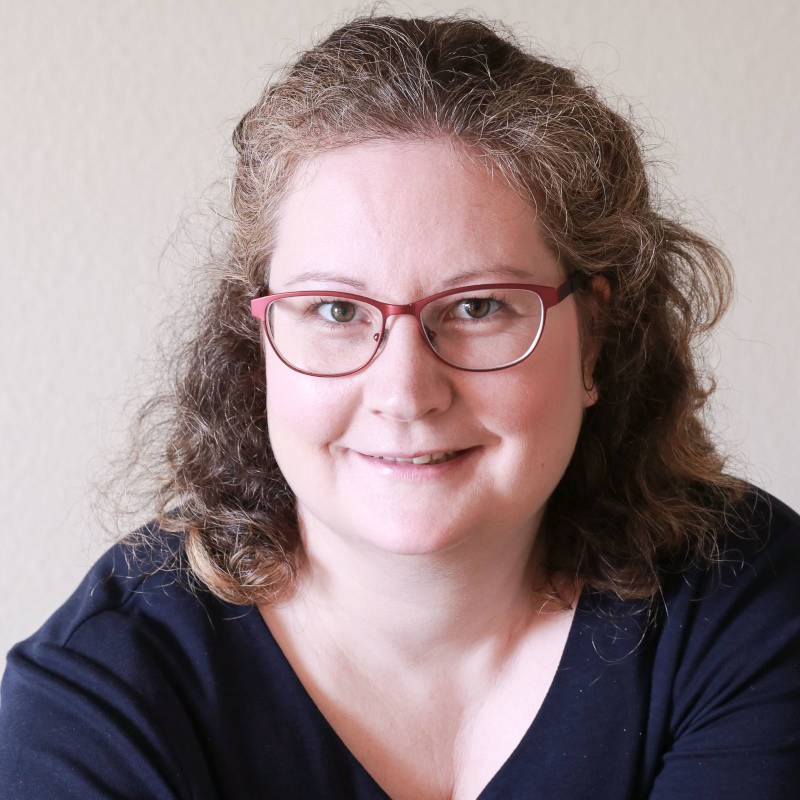
Infant and paediatric osteopathy at Therapiezentrum Maliqi is provided by Anne Grosse, BAO-certified osteopath (Bund deutscher Osteopathen) and Lead, osteopathy at the practice. Anne Grosse treats exclusively at the Lindenthal location and holds a solid additional qualification for working with infants, children and adolescents.
What is the difference to infant physiotherapy?
Infant physiotherapy (for example by Vojta or Bobath) works mainly with targeted movement stimuli and positioning to support motor development. Paediatric osteopathy, by contrast, uses gentle manual techniques to locate and release functional tension patterns in tissues, joints and fascia. The two approaches often complement each other and are not mutually exclusive.
Do I need a referral from a paediatrician?
A referral is not strictly required, as paediatric osteopathy is a private service. We still recommend it: a paediatric assessment ensures no underlying condition that needs medical treatment is overlooked. With your consent, we are happy to coordinate with your paediatrician so we can support your child together in the best possible way.