Skip to content
Specialty within osteopathy·Gentle · Tissue-sparing · Supportive.

Infant and paediatric osteopathy

Gentle osteopathic treatment for infants from day one and children up to about 14 years. At the Lindenthal location, by BAO-certified osteopath Anne Grosse.

Lindenthal only

Infant and paediatric osteopathy
About this specialization

What is Infant and paediatric osteopathy?

Infant and paediatric osteopathy is a manual treatment in its own right. Using gentle, tissue-friendly techniques, it detects and releases functional movement restrictions and tension patterns in the young body. It treats the organism as one unit of bones, muscles, fascia, internal organs and nervous system, working from the principle that free mobility in every tissue is the foundation for your child’s healthy development and self-regulation. It can be applied from the first day of life through to adolescence (around age 14) and is intended for infants, toddlers, children and adolescents with functional complaints, developmental concerns or after-effects of a difficult birth. The techniques used are exclusively gentle, low-pressure and matched to delicate young tissue; we never use sudden manipulations or strong force. Paediatric osteopathy is explicitly a complement to conventional medicine: it does not replace medical diagnostics or paediatric care, but supports and accompanies them. At Therapiezentrum Maliqi, Lindenthal location, osteopathic treatment of infants and children is provided by Anne Grosse, BAO-certified osteopath and osteopathic lead of the practice. The goal of every session is to give your child’s body the best possible conditions to regulate itself, grow in balance and develop in line with their age.

Indications

Who can benefit?

KISS syndrome

KISS syndrome (Kinematic Imbalance due to Suboccipital Strain) describes a functional movement restriction of the upper cervical spine that can lead to a one-sided head posture, asymmetric body alignment, restlessness and feeding difficulties.

Crying babies / three-month colic

Infants who cry inconsolably for weeks often carry tension in the abdomen, diaphragm or skull base. Osteopathic treatment can help release these tensions and calm the autonomic nervous system.

Positional deformities (plagiocephaly)

Plagiocephaly shows up as an asymmetric deformation of the infant skull, often as a consequence of one-sided lying or a KISS pattern. Gentle osteopathic techniques can support the mobility of the cranial bones and make balanced head rotation easier.

Spit-up and reflux issues

Frequent spit-up and reflux can be linked to tension around the diaphragm, oesophagus and upper cervical spine. Osteopathic treatment aims to relieve these functional bottlenecks and support digestive regulation.

Asymmetries after a difficult birth

Long deliveries, vacuum or forceps births and caesarean sections can leave tension patterns in the infant's skull, neck and pelvis. These are detected with gentle techniques and carefully balanced out.

Sucking and swallowing disorders

Difficulties breastfeeding, one-sided feeding or a weak sucking reflex can point to tension in the jaw, hyoid or neck area. Adjunctive osteopathic treatment can improve oro-facial coordination and complements lactation support.

Growing pains

Night-time leg or joint pain during growth phases can be amplified by tension in fascia, muscles and connective tissue. Osteopathic techniques can release these tensions and support balanced growth.

Concentration and behavioural issues (children 6+)

School-aged children with restlessness, concentration difficulties or headaches often benefit from relieving the skull base, cervical spine and autonomic nervous system. Treatment is understood as a complement to paediatric and school-medical evaluation.

Adjunctive therapy for ADHD

Paediatric osteopathy does not replace medical or psychotherapeutic treatment of ADHD, but can accompany it to release physical tension patterns, improve body awareness and support autonomic balance.

Treatment flow

How a session unfolds

Initial consultation + medical history

In the initial consultation (about 45 minutes) we discuss the course of pregnancy and birth, your child's development so far, current complaints and any prior medical findings. Anne Grosse takes time to understand your concern, observe your child calmly and define meaningful treatment goals together with you. Please bring the yellow paediatric examination booklet if you have it.

Gentle manual treatment

The actual osteopathic treatment lasts about 30 to 40 minutes and is fully pain-free, using very light, tissue-sparing techniques. Infants usually lie on a treatment couch or in your lap; older children are included in the treatment in an age-appropriate way. The aim is to release functional movement restrictions and trigger the body's self-regulation.

Observation and response phase

After each treatment the child's body needs time to process the stimuli. We typically recommend a break of one to three weeks during which changes in behaviour, sleep, feeding or movement may appear. Feel free to note your observations so we can review them together at the follow-up.

Follow-up appointments

How many sessions make sense depends on your child's symptoms and response. In many cases one to three sessions are enough to achieve a clear change. For more complex topics or developmental support, longer-term care may be helpful. We always discuss the next steps with you individually after each treatment.

Video

Infant and paediatric osteopathy — moments in motion

Brief glimpses from the practice and from live sessions.

Therapy for children — how we structure the first sessions.

1.6.2026
View on Instagram
Frequently asked

Common questions

From what age is paediatric osteopathy suitable?

Paediatric osteopathy can be used from day one of life and is suitable for infants, toddlers, children and adolescents up to about 14 years. An osteopathic examination is particularly useful in the first weeks if the birth was demanding or your baby shows unusual tension or posture patterns. The techniques used are gentle at every age and adapted to the sensitive tissues of children.

How many sessions are needed?

In most cases one to three sessions are enough to achieve a noticeable change. Infants with acute functional complaints often respond as early as the first session; for more complex or long-standing issues, additional appointments may be helpful. There are typically one to three weeks between sessions so your child's body has enough time to respond.

What does a paediatric osteopathy session cost?

Paediatric osteopathy is a private-pay service. In Leipzig, a session typically costs between 70 and 110 euros depending on duration and complexity. Because we calculate prices individually and transparently, we are happy to give you the exact cost on request by phone or when scheduling your appointment.

Does statutory health insurance cover the cost?

Many statutory health insurers contribute a share toward osteopathic treatment under their bylaws, usually per session and with an annual cap. Private health insurers and most Heilpraktiker supplementary policies typically cover the cost in full or in large part. We recommend asking your insurer directly before the first appointment about the conditions for reimbursement.

How quickly do effects appear?

Many parents report changes within hours or days after the first treatment — for example a more relaxed body posture, calmer sleep, better feeding or fewer crying episodes. Some children react initially a little more tired or unsettled before the positive effect sets in. A final assessment can usually be made one to three weeks later.

Is paediatric osteopathy safe for infants?

Yes. The techniques used in infant and paediatric osteopathy are very gentle, low-pressure and specifically tailored to sensitive infant tissue. No abrupt manipulations or high forces are applied. A solid additional qualification in paediatric osteopathy and a thorough history are key to its safety, so that any complaints requiring medical clarification are recognised and referred on accordingly.

What should I bring to the first session?

Please bring the yellow paediatric examination booklet and any relevant medical reports, ultrasound or hip imaging. A short note about the course of pregnancy and birth and the current complaints is also helpful. For infants, please think of spare nappies, a cloth and a pacifier/bottle or the option to breastfeed; older children come most comfortably in loose clothing.

Who will treat my child?

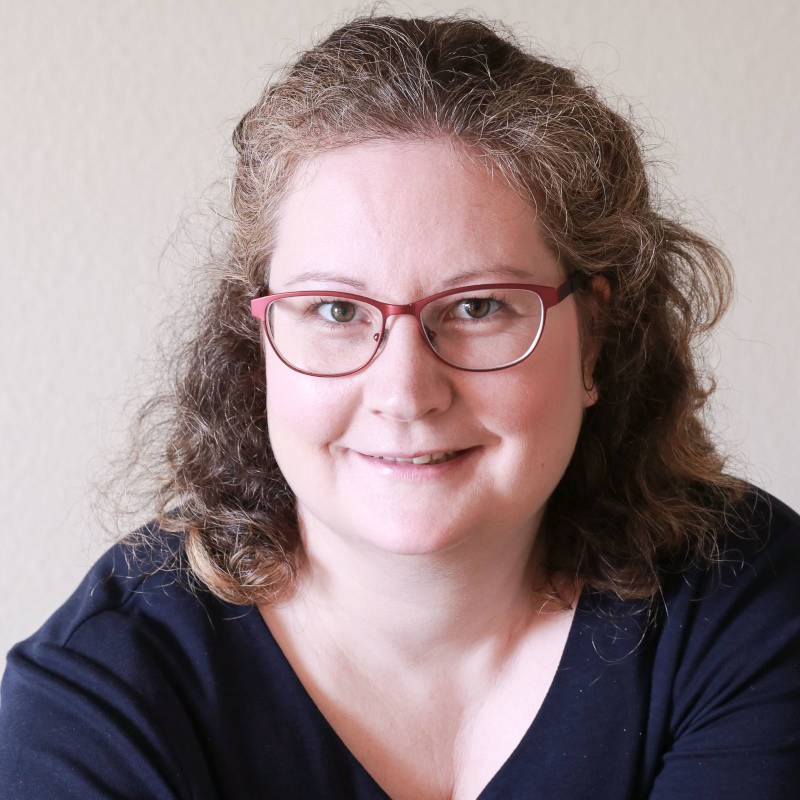
Infant and paediatric osteopathy at Therapiezentrum Maliqi is provided by Anne Grosse, BAO-certified osteopath (Bund deutscher Osteopathen) and Lead, osteopathy at the practice. Anne Grosse treats exclusively at the Lindenthal location and holds a solid additional qualification for working with infants, children and adolescents.

What is the difference to infant physiotherapy?

Infant physiotherapy — for example by Vojta or Bobath — works mainly with targeted movement stimuli and positioning to support motor development. Paediatric osteopathy, by contrast, uses gentle manual techniques to locate and release functional tension patterns in tissues, joints and fascia. The two approaches often complement each other and are not mutually exclusive.

Do I need a referral from a paediatrician?

A referral is not strictly required, as paediatric osteopathy is a private service. We still recommend it: a paediatric assessment ensures no underlying condition that needs medical treatment is overlooked. With your consent, we are happy to coordinate with your paediatrician so we can support your child together in the best possible way.
Your specialist

More about Anne Grosse

Osteopathische Leitung Leitung

Go to Anne Grosse's profile
Location

Where we treat you

We offer this specialization exclusively at our Lindenthal location, Zur Lindenhöhe 1 04158 Leipzig.

View Lindenthal location

Ready for your first appointment?

Book online or give us a call — we'll discuss which therapy and which location suit you best.

Mon–Thu
Fri
Lindenthal · Möckern · Paunsdorf
Book an appointment